Bybit Enters Indonesian Market Through Strategic Acquisition of NOBI
According to Blockhead, Bybit has launched Bybit Indonesia as a regulated local entity supervised by Indonesia’s Financial Services Authority, OJK, after acquiring a majority stake in PT Enkripsi…
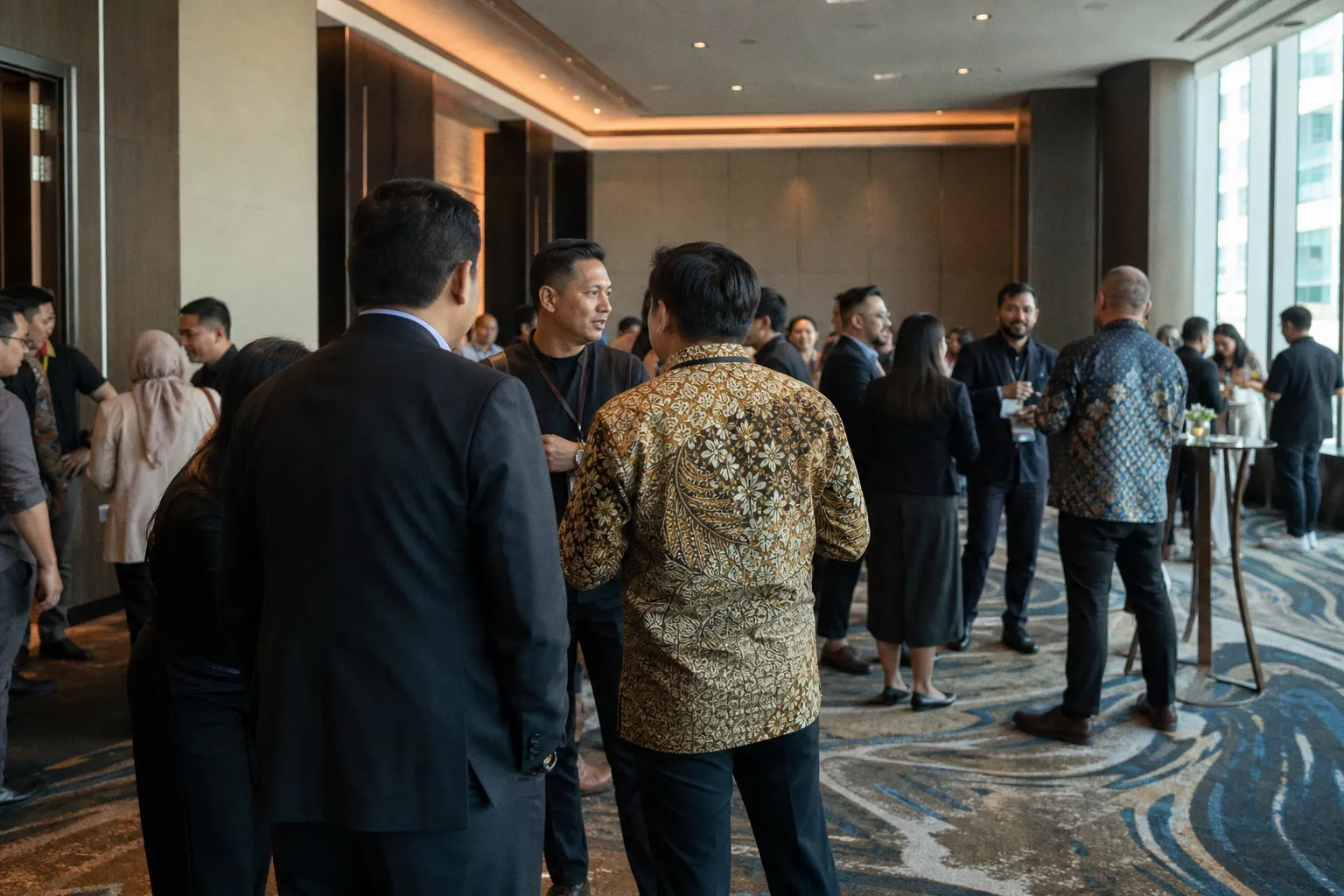
According to Blockhead, Bybit has launched Bybit Indonesia as a regulated local entity supervised by Indonesia’s Financial Services Authority, OJK, after acquiring a majority stake in PT Enkripsi Teknologi Handal, better known as NOBI. For exchanges assessing Southeast Asia, the transaction is a clear capital-allocation signal: regulatory standing and a functioning local operating structure are now assets worth buying rather than obstacles to work around later.
The launch turns an acquisition into a market-entry vehicle. Bybit is not presenting Indonesia as an offshore extension; it is operating through a locally regulated entity, with NOBI’s existing regulatory relationships and market knowledge forming the core of the structure.
The licence is the strategic asset
Blockhead reports that Bybit Indonesia will be led by former NOBI executives Lawrence Samantha as CEO and Dionisius Evan as COO. Retaining local management matters because the value of an acquired platform is not limited to its user base or trading technology: it includes the institutional capacity to operate under local supervision.
That is the practical difference between a regulated expansion and regulatory arbitrage. A global venue can deploy its international infrastructure, but the local entity carries the accountability, operational familiarity and regulatory interface needed to keep the business inside the perimeter set by OJK.
Bybit co-founder and CEO Ben Zhou framed the approach around regulatory alignment and responsible operations. The language is corporate, but the incentive is concrete. Building compliance, legal and local-management capacity takes longer and costs more than simply opening access from an offshore platform; it also reduces the risk that a market-entry strategy is later interrupted by a licensing or consumer-protection dispute.
More than 500 pairs, but product rollout remains conditional
The platform is launching with more than 500 trading pairs, alongside market-surveillance systems, risk controls and liquidity infrastructure that Blockhead says are aligned with OJK requirements and Bybit’s global standards. Bybit Learn will also be localized for the Indonesian market from launch.
The more consequential detail is that products and services will be introduced in phases, with each offering tied to regulatory approvals and consumer-protection requirements. That is a material constraint on the commercial model. A licence does not create an automatic right to deploy every product, and a broad trading catalogue should not be read as a blanket authorisation for future services.
For users, the immediate diligence point is simple: distinguish between what is available through Bybit Indonesia at launch and what may be offered later. For project teams and liquidity providers, the same distinction applies. Local distribution, listing access and institutional infrastructure may be valuable, but they remain subject to the local entity’s approved operating scope.
Why institutional players should watch the structure
Indonesia’s opportunity is substantial, but the headline is less about market size than about entry mechanics. Bybit has used a majority acquisition of a domestic operator to combine global exchange infrastructure with a regulated local vehicle and retained management. That structure may become the more relevant benchmark for venues seeking durable exposure to markets where regulatory alignment is not optional.
The near-term test is execution: whether phased offerings arrive under OJK approval, whether the local entity preserves the controls described at launch, and whether other international exchanges conclude that acquiring regulated capacity is cheaper than building it from zero. For institutional players, that calculation will shape where capital, liquidity and compliance budgets move next.