Impacts of a New Fed Regime
A two-sentence confirmation of a regime shift from the Federal Reserve, carried by major financial data terminals, is enough to trigger a full portfolio stress test for institutional capital.
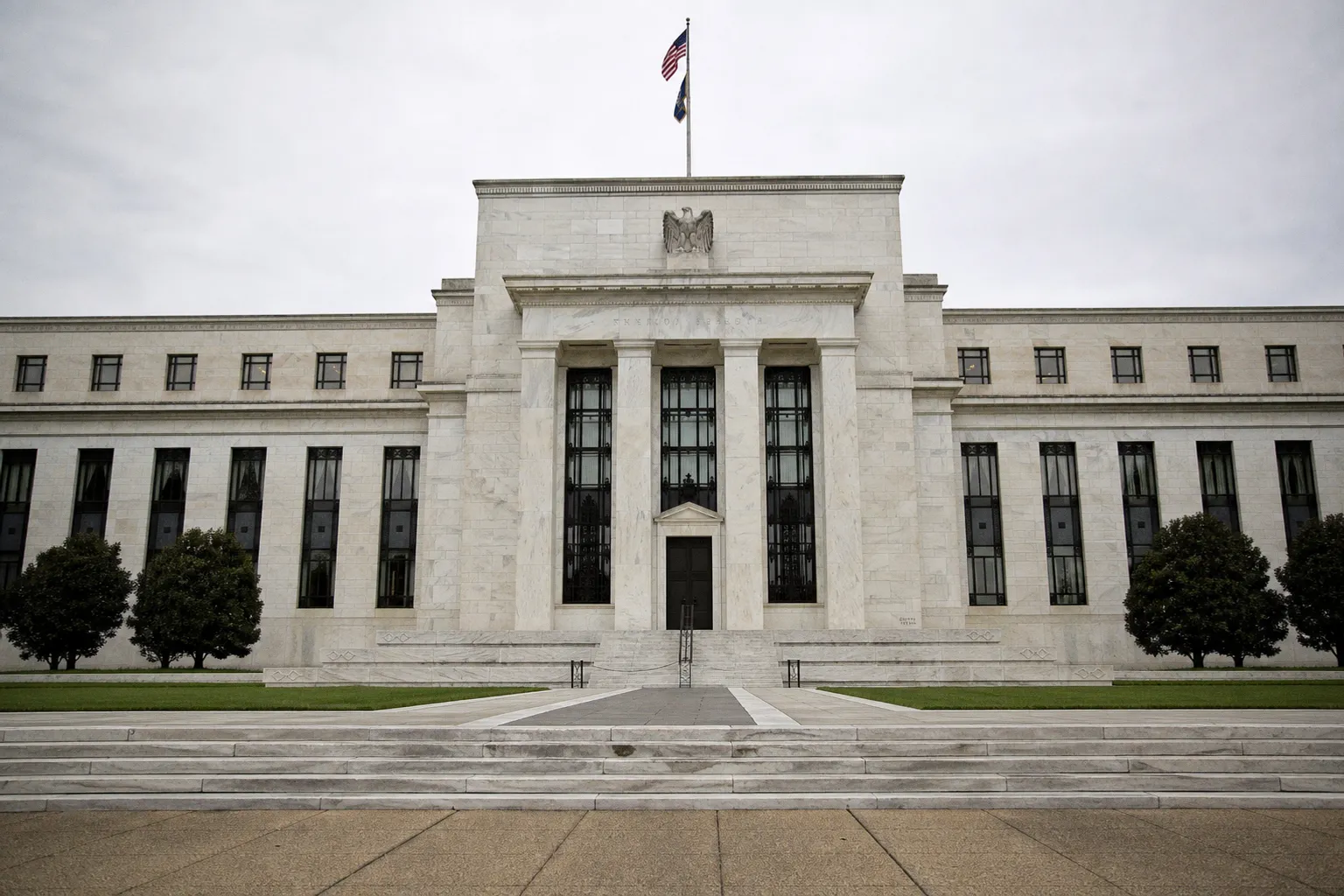
Institutional Strategy: Capital Flow Redirection
The mere framing of a "new Fed regime" by outlets like Yahoo Finance and the ETF Database indicates that institutional desks are already modeling for a sustained period of higher-for-longer rates or a fundamental change in monetary policy reaction functions. This isn't about a single rate decision; it's about pricing in the duration of a new capital cost environment. The immediate practice is to audit exposure to interest-rate-sensitive crypto assets and derivatives, assessing which are positioned for volatility and which face sustained pressure from a tightening liquidity backdrop.
Retail Implications & Infrastructure Plays
For the retail and prosumer segment, this macro re-pricing forces a strategic pivot. Yield-seeking behavior will aggressively rotate into infrastructure and service layers that generate revenue irrespective of spot price direction. This includes brokerages and platforms adapting to new volatility regimes—exactly why firms like EBC Financial Group are accelerating product launches for mobile account and copy trading management, catering to a demand for managed strategy access during uncertain markets. The partnership between Pico and ITRS to enhance observability in Indian financial markets underscores the parallel trend: global financial infrastructure is tightening its networking and monitoring capabilities to manage higher-risk, faster-moving environments, a clear read-through to crypto market structure.
What to Monitor Next
The practical checklist is short and urgent. First, watch the next Federal Open Market Committee (FOMC) minutes and dot plot for concrete language validating this "regime" shift. Second, track fund flow data into crypto ETFs and treasury products, which will reveal whether institutional allocators are treating this as a buy-the-dip opportunity or a signal to de-risk. Third, monitor the performance of crypto equities (miners, exchanges) relative to Bitcoin; a sustained decoupling would confirm the market is pricing in a prolonged period of higher operational and capital costs.