Parliament Standing Committee on Finance to review virtual digital assets; RBI, ICAI to take part
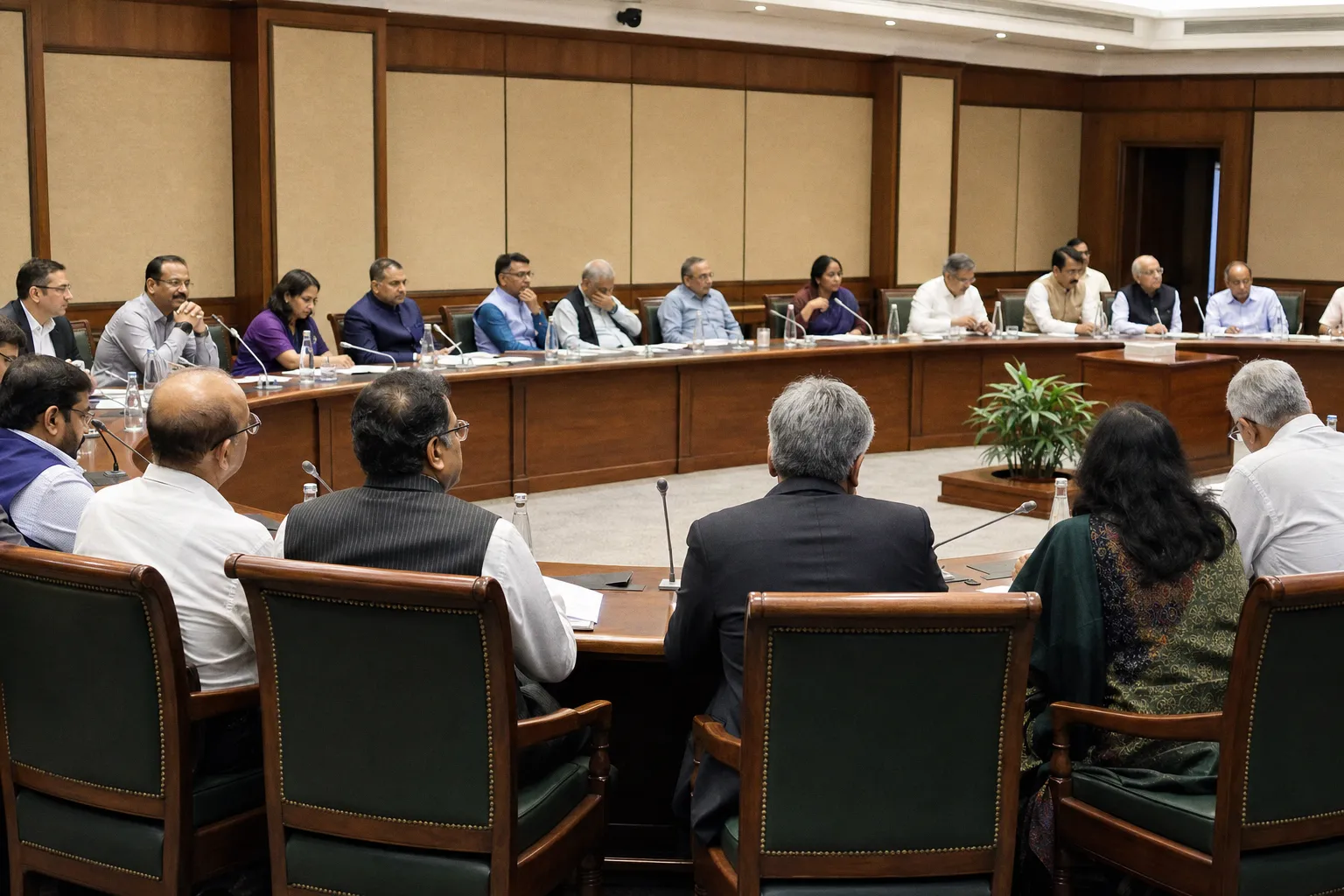
India's Parliament Standing Committee on Finance is set to review the virtual digital asset (VDA) framework, with the Reserve Bank of India and the Institute of Chartered Accountants of India slated to participate, according to reporting surfaced via MSN.
Why this committee matters for capital allocation
The Standing Committee on Finance is not a rubber stamp. When it summons the RBI and ICAI on the same panel, the signal is unambiguous: legislators are stress-testing the VDA regime across monetary policy and professional accounting standards simultaneously. That dual-track scrutiny typically precedes tighter capital controls, mandatory reporting hooks, and reclassification of certain tokens under existing financial statutes. For institutional desks mapping India, expect this review to feed directly into revised TDS provisions, audit trail requirements, and the scope of entities that must register as reporting entities under PMLA-adjacent frameworks.
ICAI's involvement is the underappreciated variable. Once chartered accountants are pulled into a VDA review, the conversation shifts from "is crypto legal" to "how do we account for it" — and that pivot has historically been the precursor to standardized valuation, impairment, and disclosure norms binding on every entity touching digital assets. Compliance cost curves move the moment accounting bodies formalize a treatment.
What to watch from the institutional seat
Three pressure points will define the market implications once the committee publishes its observations. First, whether RBI advocates for a stricter carve-out for stablecoins and tokenized deposits, or pushes for parity with existing e-money rails — either outcome reprices Indian-facing offshore venues. Second, whether ICAI endorses fair-value mark-to-market for retail-held VDAs, which would materially change retail broker economics and potentially accelerate licensed exchange consolidation. Third, the committee's stance on self-custody and KYC obligations for wallet providers, a clause that has historically determined whether domestic liquidity pools up or drains to offshore rails.
Capital is already repositioning ahead of these sessions. Smart treasuries are not waiting for the final report — they are front-running the probability of expanded audit perimeter by tightening counterparty due diligence on Indian VDA counterparties now, before formal guidance crystallizes compliance liability.
The macro read
India remains one of the highest-volume retail crypto markets globally, and any hardening of the committee's recommendations translates almost immediately into capital flight toward non-regulated venues — or, conversely, into legitimate relisting if the framework clarifies rather than restricts. The presence of both RBI and ICAI suggests legislators are preparing to close the ambiguity arbitrage that has defined the market for the past three years. For fund managers, compliance leads, and exchange operators tracking India exposure, the operational takeaway is blunt: this committee cycle is not a consultation, it is a drafting session with binding downstream effects on valuation methodology and reporting infrastructure.